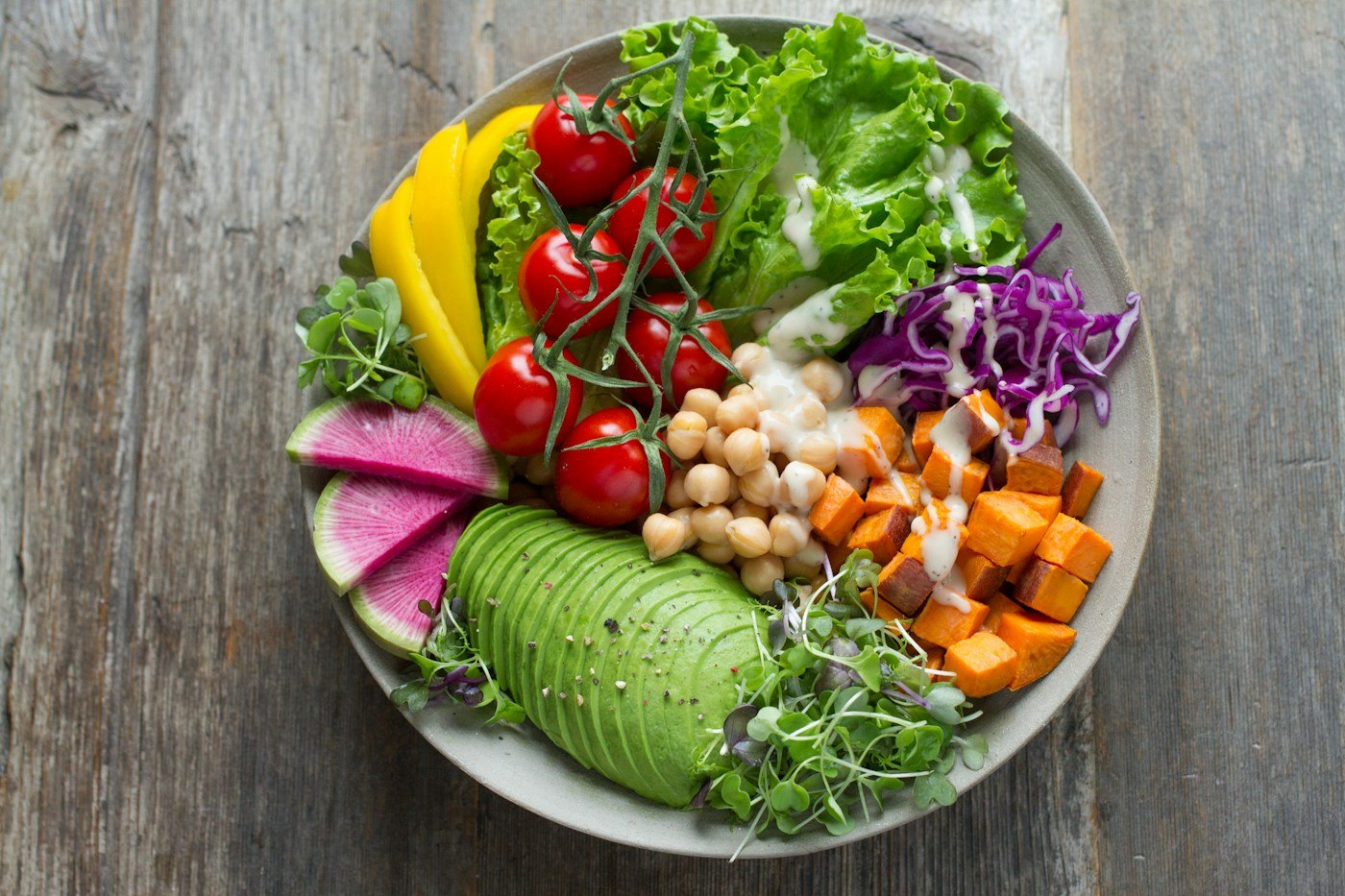
There is no single required PCOS breakfast. A practical starting point is a protein food, a fiber-containing food, and enough to eat. Eggs and toast, tofu and roti, or beans with vegetables can all belong. A post saying everyone needs exactly 30 grams of protein at breakfast is more specific than the PCOS evidence supports.
Start with a meal you can repeat
Breakfast advice often assumes you have an empty calendar and a kitchen assistant. Most of us have a commute. Choose something that fits the morning you have, whether that means cooking, reheating leftovers, or putting two foods in a bag.
These are meal ideas, not a treatment plan or a promise about your glucose. Portions depend on appetite, activity, medicines, and your own care needs.
- Choose a protein food you like: eggs, tofu, beans, yogurt, fish, or chicken.
- Add a fiber-containing food such as oats, beans, vegetables, or whole-grain bread.
- Keep a backup for rushed mornings instead of expecting a perfect routine.
- If you have a prescribed carbohydrate or kidney-disease plan, use that plan with a registered dietitian.
Three breakfasts that need very little cooking
You can assemble these with a toaster, a microwave, or food prepared the night before. Check labels when allergies or lactose intolerance matter. A product being plant-based does not automatically mean it has the same protein or nutrients as dairy.
- 1. Eggs, whole-grain toast, and tomatoes. Use boiled eggs prepared ahead; add avocado or another topping you enjoy.
- 2. Plain Greek yogurt or a suitable soy yogurt with oats and nuts or seeds. Choose dairy-free when needed, and compare protein on the label.
- 3. Overnight oats with milk or fortified soy milk, plus yogurt or another protein food. Fruit is optional; cinnamon is a flavoring here, not a treatment.
- Short on time? Prepare the oats or eggs while making dinner rather than adding a separate cooking session.
Four savory ideas, including familiar leftovers
Breakfast does not have to taste sweet, and cultural foods do not need a permission slip. Think about the combination on the plate rather than declaring rice, roti, or bread off-limits.
If beans feel uncomfortable at first, start with an amount you tolerate. Ask for help if ongoing bloating, pain, or food restriction is making eating harder.
- 4. Tofu scramble with spinach and roti or whole-grain toast. Frozen greens make this easier.
- 5. Black-eyed peas or dhal with vegetables and a portion of rice or roti that fits your needs. Beans contribute both carbohydrate and protein.
- 6. A leftover chicken or salmon wrap with cabbage or other vegetables. Follow safe storage and reheating practices.
- 7. An egg-and-bean breakfast sandwich or wrap. Add peppers, greens, or salsa; adjust ingredients for allergies and preference.
What about the 30-gram protein rule?
A numerical target can be useful when it has a reason. It becomes less useful when every woman is told the same number will reverse insulin resistance. The international PCOS guideline does not identify one superior diet composition for everyone.
If a clinician or dietitian has suggested a protein goal, ask how it was chosen. You do not need to buy a powder or force a huge meal to make breakfast count.
- Ask whether the target fits your total food intake and medical history.
- Use food labels when you want to compare products; do not assume a marketing word means high protein.
- Notice practical outcomes such as enjoyment, convenience, and whether you feel adequately fed.
- Bring persistent hunger, fatigue, or major appetite changes to your care team rather than endlessly adjusting breakfast.
Make the plan easier to use tomorrow
Choose one home breakfast and one portable backup. That is enough for a first experiment. The goal is a useful routine, not a new spreadsheet you now have to maintain.
CDC meal-planning information can explain general food combinations, but it is written for diabetes. Using an idea from it does not mean that having PCOS means you have diabetes.
- Write the two meals somewhere visible before shopping.
- Buy ingredients that also work for lunch or dinner to reduce waste.
- Keep one shelf-stable or freezer option for days the plan falls apart.
- Use the PCOS hub meal builder, then adjust the suggestion to your appetite, allergies, and care plan.
A little more clarity
Your questions, answered.
Can I eat toast, rice, or roti with PCOS?
Yes, these can fit. The amount and the rest of the meal matter, and individual needs differ. A useful conversation looks at your whole eating pattern, any diabetes medicines, your preferences, and access to food. You do not need a blanket carbohydrate ban.
Do I have to eat dairy or fruit?
No particular breakfast ingredient is compulsory. There are dairy-free and savory options. If you remove a food group, ask how to meet the nutrients it usually supplies. Choose allergy-safe substitutions and review product labels rather than assuming every alternative is nutritionally equivalent.
Will these meals prevent blood sugar spikes?
No meal can guarantee a particular glucose response for everyone. These combinations are practical food ideas, not glucose-tested recipes. If you have diabetes or recurring symptoms, work with your care team on a plan and monitoring appropriate to you.
Pick two breakfasts you would actually eat. Put their ingredients on one short shopping list and try them on ordinary workdays. Use the meal builder in the PCOS hub for more combinations.
Prepare your appointment questions →Sources & context.
- International PCOS guideline · Dietary interventions, section 3.3 ↗
- CDC · Diabetes meal planning (general meal-composition context) ↗
Sources checked . Health information summarizes the linked guidance; conversation prompts and planning ideas are Millywell’s editorial suggestions. Most sources describe U.S. care; screening and access may differ where you live.
AI assisted the drafting. This guide has not been reviewed by a licensed clinician. It provides general education, not a diagnosis or individualized care. Ask a qualified professional about your circumstances.